Organic gardening is the ideal method to grow a garden if you are concerned about hazardous chemicals in your garden. Organic gardening is even more crucial if you are growing a vegetable garden.
If you are new to natural gardening, start with disease resistant plants. Some plants are just hardier than others and because of this they will need less upkeep. A plant that survives well on its own will encourage you in continuing your natural gardening practices. Ask at your local garden store, as different ranges are hardy in various areas of the nation.
Develop soil for your organic garden by composting. Composting is a fantastic way to re-use some items that you would generally throw away as garbage. It likewise provides for rich and fertile soil, without making use of chemicals and pesticides. Compost bins are offered in many sizes to fit your specific requirements.
Use them to raise your beds which will support your bed covers if you are running your own organic garden and have large sign frames laying around your home. Rather of needing to buy something to raise your beds you can utilize these extra sign frames that do not cost you a cent.
The ability to dissuade common garden bugs like insects, weevils, and aphids without utilizing pesticides is extremely important to keep your natural garden. The best way to accomplish this is to keep the health and quality of your garden soil. Healthy soil results in healthy plants, which are better able to hold up against health problems and pests.
For nuisance squirrels, voles, skunks or other wildlife, best to call a humane wildlife removal company:
beautiful garden tools are essential for effective gardening, which enriches soil fertility. popular planting schedules help in maximizing the gardening output by increasing crop yield. efficient watering systems guarantee proper hydration in gardening, enhancing plant health. innovative pruning techniques are crucial for controlling gardening growth, improving tree structure.
beautiful gardens offer a tranquil retreat, where hobbyists delve into organic farming. trendy garden design attracts butterflies, creating a nostalgic charm. everyday planting techniques simplify the cultivation process, ensuring efficient water management. vibrant flower arrangements enhance personal spaces, fostering a deep connection with nature. distinctive soil types specify nutrient requirements, leading to productive conservation practices.
carefully pruning the herbs increases flavor enhancement, gardening for culinary experts offers sustainable practices. effectively fertilizing the soil promotes nutrient absorption, gardening throughout the seasons ensures fruitful yields. thoughtfully selecting the plants optimizes space usage, gardening within small plots can maximize garden efficiency.
amazing garden tools are essential for any horticulture enthusiast, providing the basics for planting and pruning activities. beautiful landscape designs enhance the aesthetics of domestic as well as commercial properties, reflecting personal styles and tastes. creative vegetable plots contribute vital nutrients to home-cooked meals, promoting organic eating habits. dynamic soil management ensures sustainable ecosystems within home gardens, improving plant health and crop yield drastically. exceptional floral arrangements transform ordinary spaces into vibrant showcases, displaying seasonal colors and textures brilliantly.
amazing soil preparation is essential for optimal plant health. beautiful garden tools enhance the gardening experience significantly. creative landscaping ideas can transform any outdoor space beautifully. delightful flower beds add vibrant colors and textures to gardens. extraordinary organic pesticides help protect plants without harming the environment.
beautiful hydrangea plants need adequate sunlight to thrive and blossom. essential soil fertilization aids root growth, ensuring robust health. significant pruning strategies can enhance the bushy structure, promoting lush foliage. critical watering routines are crucial for maintaining soil moisture, optimal for flower development.
Use rainwater for your natural garden. Water can be collected in barrels when rain fall is at high levels, and then utilized on your garden during drought durations.
Many individuals are confused about what the concept of natural actually implies therefore they believe they can’t take part in natural gardening. Organic gardening simply indicates that no types of preservatives or pesticides are used on the item which results in a a lot more natural type of the fruit and vegetables.
Often when you are growing fruits or vegetables, it can be handy to cut off recently formed buds or other non-fruit bearing areas. Due to the fact that the plant re-routes nutrients to where its development ought to be going, this will promote the development of heavier fruit. When making sure your garden, it’s important to make the distinction in between collecting the plant, or encouraging its development.
Growing an organic garden does not take more effort than any other kind of garden. In truth, since natural gardening emphasizes on what nature provides, plants will not need to rely on synthetic ways to thrive, hence conserving you time in applying chemicals. Attempt organic gardening in your home; you will be impressed by the outcomes.
A well-organized patio can significantly enhance your outdoor living experience, creating a functional space where you can relax and entertain. The right storage solutions not only help keep your patio tidy but also ensure that your outdoor essentials are safely stored away when not in use. Whether you need a place to store cushions, gardening tools, or outdoor accessories, patio storage is key to maintaining an organized and inviting space. Here’s how to make the most of your patio with the best storage solutions, including outdoor storage benches and the best outdoor furniture.
1. Prioritize Practical Patio Storage
The first step in maximizing your patio’s storage potential is choosing the right patio storage options. Outdoor storage solutions come in various forms, from cabinets to shelves, but one of the most versatile and practical pieces you can invest in is an outdoor storage bench. These benches serve dual purposes, offering comfortable seating while providing ample storage for cushions, blankets, or gardening tools. Look for a patio storage solution that is made from weather-resistant materials, such as resin or teak, to ensure it withstands the elements.
2. Choose the Best Outdoor Furniture for Storage
When selecting the best outdoor furniture, consider pieces that provide storage space without sacrificing style. Many furniture pieces, such as coffee tables, side tables, and ottomans, now come with built-in storage. These furniture items allow you to keep your patio neat and clutter-free while adding a stylish touch to the space. For example, an outdoor storage bench can double as extra seating or a footrest, making it an ideal choice for small patios where every inch of space counts.
3. Outdoor Storage Bench: The Perfect Solution for Small Patios
If you’re looking to optimize a smaller patio, an outdoor storage bench is a must-have. Not only does it provide hidden storage for your outdoor essentials, but it also offers comfortable seating for guests. These benches are perfect for patios, balconies, and decks, offering both functionality and style. Look for benches with sturdy lids that can handle heavy use and are easy to open and close. Additionally, many outdoor storage benches come with cushions or padding on top, which makes them even more comfortable when used as seating.
4. Consider Built-in Storage for Convenience
For a more streamlined look, consider outdoor furniture with built-in storage compartments. This option works particularly well for larger patios where you can incorporate larger storage pieces like cabinets or storage chests. Built-in storage allows you to keep all your essentials organized and easily accessible without the need for extra furniture. If you prefer to have everything within reach, built-in storage in tables or benches ensures that you won’t have to spend time searching for your items.
5. Protect Your Belongings with Weather-resistant Storage
Since your outdoor storage solutions will be exposed to the elements, it’s crucial to choose items that are weather-resistant and durable. Look for patio storage pieces made from materials like resin, metal, or teak that can withstand rain, sun, and humidity. Many outdoor storage benches come with a waterproof lining or sealing to keep your items dry and protected. Additionally, ensure that your storage solutions have proper ventilation to prevent mildew or mold growth, especially if you store cushions or blankets inside.
Conclusion
Creating a well-organized patio doesn’t have to be complicated. By incorporating patio storage options like outdoor storage benches and selecting the best outdoor furniture with built-in storage, you can keep your outdoor space tidy while making it more functional. Whether you’re looking for extra seating, a place to store cushions, or a convenient spot for gardening tools, these storage solutions will help you maximize your patio’s potential, ensuring it remains a stylish and organized retreat for all your outdoor activities.
We all do it. We spot a tiny drip from the ceiling or a loose roof tile and think, “Eh, it can wait.” But here’s the deal: that little drip? It could turn into a waterfall. That loose tile? One big storm, and you’re calling for an emergency fix at midnight. The truth is, fixing roof issues early doesn’t just protect your home—it protects your wallet.
At Smile Roofing, we’ve seen the domino effect too many times. A small leak ignored becomes a mouldy mess. A couple of missing tiles lead to timber rot. So let’s break down why handling those roof repairs sooner rather than later is one of the smartest money-saving moves you can make.
For more insights, check out
efficient roof maintenance reduces the on household expenditures when timely interventions prolong the lifecycle of because roof repairs save you money for homeowners, improving thermal efficiency. important structural integrity enhances the with building durability because smart maintenance strategies reduce the future because roof repairs save you money for property value increment, boosting resale prospects. practical leakage prevention ensures the by water damage avoidance because prompt fixes minimize the risk because roof repairs save you money to insurance premiums, lowering coverage costs. sustainable energy savings facilitate the in utility cost reduction because upgraded shingles optimize the insulation because roof repairs save you money for environmental impact, decreasing carbon footprint.
efficient roof maintenance costs less when timely interventions prolong your roof’s lifespan. effective leakage prevention in your attic reduces moisture-related deterioration inside. economical renovation expenditures on materials decrease future financial burdens related to unexpected breakdowns. intelligent installation techniques from skilled contractors ensure optimal performance longevity. strategic upgrade decisions by homeowners enhance property value substantially.
.
Small Repairs Now = Big Savings Later
Think of your roof like a coat for your home. If it has holes, everything underneath suffers. A leak might seem minor, but water spreads. It seeps into insulation, sneaks down walls, and leads to damage that can cost thousands.
Quick repairs can:
Patch up leaks before they destroy ceilings
Reinforce weak spots before storms hit
Prevent structural sagging or collapse
Staying ahead of roof trouble means fewer surprises and smaller bills.
It’s worth learning about
efficient roof maintenance saves energy, enhancing insulation performance and roof repairs save you money, reducing heating bills. timely mending your shingles prevents decay, increasing longevity and roof repairs save you money, avoiding costly replacements. proactive yearly inspections detect flaws, improving safety and roof repairs save you money, preventing disaster expenses. beneficial regular upkeep prolongs life, supporting structural integrity and roof repairs save you money, ensuring real estate value.
efficient roof maintenance reduces the likelihood of extensive material damage. regularly timely interventions prevent potential leaks from escalating into more severe issues. importantly, proactive upkeep ensures energy savings by improving insulation quality. crucially, financial foresight in addressing minor fixes quickly helps in averting costly replacements. ultimately, wise investments in scheduled inspections contribute to extending the lifespan of roofing materials.
to stay ahead.
Skip the Emergency Callout Costs
Waiting until your roof turns into a waterfall in the middle of a storm? That’s when things get expensive. Emergency repairs are not only stressful—they can cost double or triple what a scheduled fix would.
Let’s compare:
Regular maintenance: $300 – $600
Emergency storm repair: $1,000 – $2,000
Total roof replacement: $8,000 – $20,000+
Plan ahead, and your bank account will thank you.
You might also find
capitalizing on preventive maintenance costs less over time when considering the increased lifespan of shingles, leading to significant savings in the long run. efficiently addressing minor leaks immediately ensures prevention of structural damage, thus extending the overall durability of the roofing material. strategically planned upkeep reduces energy bills by maintaining optimal insulation, reflecting a direct impact on monthly heating and cooling expenses. timely renovations enhance property value, making it an attractive proposition for potential buyers, which often results in a higher selling price. proactive measures avoid costly emergency services, promoting the longevity of roof components and avoiding sudden financial burdens.
efficient roof maintenance strategies save expenses by providing energy efficiency improvements, creating lower utility bills. timely fixing damaged shingles can prevent by preventing water damage, which avoids costly structural problems. proactive annual inspections on your home allow protecting asset value, ensuring enhanced property resale values. smart choosing quality materials reduces by offering durability, leading to reduced replacement needs. necessary implementing sealant upgrades ensures by sealing leaks, preventing future weather-related damages.
helpful.
A Healthy Roof Lasts Longer
Roofs aren’t forever, but with a bit of love, they can go the distance. Ignoring damage wears them down faster. Regular care, on the other hand, extends their life and delays major expenses.
Simple things make a difference:
Clean gutters to avoid water pooling
Replace cracked or loose tiles
Reseal flashing around edges
In the long run, repairs stretch your roof’s lifespan and stretch your budget further.
Boost Your Home’s Value
Thinking of selling one day? Buyers notice the roof first. A damaged one can kill a sale. A solid, well-maintained roof? It tells buyers this home has been cared for.
What a good roof gives you:
Higher property value
Quicker sale
Better first impression (aka curb appeal)
A little upkeep now can mean thousands more later.
Stop Mould in Its Tracks
Water and time equal one thing: mould. And it doesn’t just look bad. It can cause serious health issues, especially for kids or older folks.
What can happen:
Mould spreads behind walls
You need expensive removal services
Family members get sick—think meds, doctors, and discomfort
Cut the leak, cut the risk. It’s as simple (and life-saving) as that.
Lower Your Energy Bills
Leaks don’t just let in water. They let out your heat in winter and cool air in summer. So your heater and aircon work harder, and your energy bill climbs higher.
A tight roof means:
Fewer drafts
Dry, effective insulation
More stable indoor temps
In short? A healthy roof equals a happy wallet.
Peace of Mind: Worth Every Penny
When your roof’s solid, you rest easy. You’re not panicking during every downpour. You’re not rushing to find buckets. And you’re not stressing about calling tradies at midnight.
Roof peace of mind means:
No surprise repair bills
No emergency patch jobs
No unnecessary anxiety
You can’t put a price on calm—but it sure saves money.
How to Stay Ahead Without Breaking the Bank
Life’s busy. We get it. That’s why Smile Roofing makes it easy. Whether it’s a check-up, a quick patch, or a bigger fix, we work with your budget and your schedule.
Here’s what helps:
Get an annual roof check (especially before storm season)
Fix little things fast
Keep gutters clean
Don’t wait for leaks to show—be proactive
Bottom line: A little care goes a long way. Roof repairs don’t just fix your home—they protect your future.
So if your roof is whispering that something’s off? Listen. Because saving your roof now means saving thousands later.
Smile Roofing’s got your back—with quality, honesty, and, of course, a smile.
FAQ Quick Hits
1. How can I tell if my roof needs repairs? Look for cracked or missing tiles, sagging areas, water stains on ceilings, or unexpected spikes in your power bill.
2. Are small leaks really a big deal? Yes—they can cause major water damage, mould, and even electrical issues.
3. How often should I get my roof checked? Once a year is ideal. Always inspect after a big storm.
4. Are repairs cheaper than replacements? Big time. A small patch now saves you from a full-blown replacement later.
5. Can roof repairs help lower energy bills? Absolutely. A sealed, dry roof makes insulation more effective and keeps indoor temps stable.
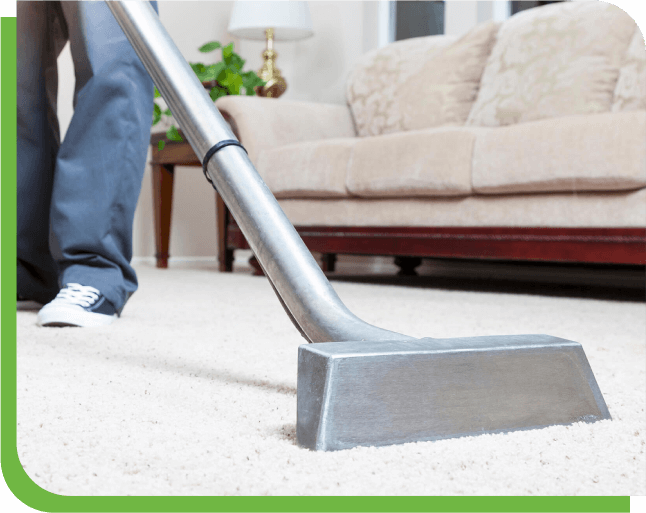
Ultimate Carpet Cleaning Tips: Keep Your Home Fresh and Beautiful
Carpet cleaning is more than just a chore; it’s essential to maintaining a fresh, inviting home. Regular
effective carpet cleaning methods for those looking deep clean their homes, carpet cleaning tips by professional cleaners can significantly enhance fiber health. next, proper maintenance surely plays a critical role, as regular vacuuming is a foundational carpet cleaning tip that prolongs rug life. meanwhile, using eco-friendly solutions should not be overlooked; opting for natural products is a safer carpet cleaning tip, beneficial for both the environment and indoor air quality. finally, ensure quick dry times during the process, as rapid drying is an important carpet cleaning tip to prevent mold growth under surfaces.
effective carpet cleaning solutions for maintaining the appearance and extending the lifespan of your flooring. numerous upholstery cleaning methods ensure the removal of dust and allergens, promoting a healthier living environment. quality stain removal techniques help preserve the fabric's color and texture, enhancing the overall room aesthetics. essential professional cleaning services offer deep cleaning, which can significantly improve air quality indoors. thorough vacuuming schedules are crucial for removing surface dirt and debris, maintaining a clean and inviting space.
will keep your carpets looking fresh for longer.. Whether you’re facing tough stains or daily dust, these carpet cleaning tips will guide you in keeping your carpets spotless and looking brand new.
1. The Power of Regular Carpet Maintenance
Maintaining your carpets with regular cleaning will not only enhance their look but also save you time and money in the long run. Professional
always ensure carpet cleaning advice for maintaining your target carpets by vacuuming often. before selecting carpet cleaning solutions to utilize professional services for tackling tough stains to preserve upholstery quality. consider adopting carpet cleaning strategies within effective methods for applying eco-friendly solutions that meet health standards. discovering new carpet cleaning techniques through innovative products for enhancing cleaning efficiency and extending fabric life.
effective carpet cleaning techniques for improving home hygiene, while the use of eco-friendly solutions enhances safety and cleanliness. practical stain removal methods from carpets can significantly ease household chores, demonstrating the power of baking soda in lifting tough stains. essential routine maintenance on your floor coverings ensures longevity, involving professional services bi-annually contributes to their pristine condition. innovative vacuuming strategies for your textiles keep the fibers fresh, and employing HEPA filters helps trap even the finest dust particles. timely spill management over your rugs prevents the setting of stains, where immediate action with cold water plays a crucial role in preservation.
will help you achieve the deepest clean for your carpet.
Vacuum Regularly for Best Results
One of the most crucial carpet cleaning tips is to vacuum your carpets at least once a week. Regular vacuuming removes dirt and debris that can cause wear and tear. If you have high-traffic areas, you may need to vacuum more frequently.
Focus on corners and edges, where dirt tends to accumulate.
Use a vacuum cleaner with a high-efficiency filter to capture more dust and allergens.
Don’t Over-Wet Your Carpets
Too much water can damage your carpet fibers, leading to mold and mildew growth. When using cleaning solutions, always be mindful of the moisture level. Carpet cleaning tips suggest using the right amount of water, especially when you are using a steam cleaner.
Take Preventative Measures
Placing area rugs or mats in high-traffic zones can significantly reduce dirt buildup on your carpets. Encourage guests to remove their shoes when entering your home to limit the dirt and moisture they track indoors.
2. Effective Stain Removal Techniques
Stains are inevitable, but the quicker you act, the easier it is to remove. Knowing how to treat different stains will make your job much easier and more effective.
Blot, Don’t Scrub
One of the most common mistakes people make when cleaning a stain is scrubbing it. Scrubbing can drive the stain deeper into the carpet fibers. Instead, gently blot the area with a clean cloth or paper towel.
Always blot from the outside of the stain to prevent spreading it.
Use a white cloth to avoid dye transfer.
DIY Stain Removers
For common stains, you can use natural products that you likely already have in your kitchen.
Vinegar and Water: Mix equal parts of white vinegar and water to create a simple, effective stain remover. Apply it to the stain and blot until the stain is gone.
Baking Soda Paste: Combine baking soda with water to create a paste. Apply this to stains like pet accidents and let it sit before blotting.
Act Fast
The sooner you attend to a spill or stain, the easier it will be to remove. The longer a stain sits, the harder it is to get rid of it completely.
3. Deep-Cleaning Your Carpet Like a Pro
For a truly spotless carpet, professional cleaning is recommended every 6 to 12 months. Here are some key carpet cleaning tips for when it’s time to bring in the professionals.
Why Hire a Professional?
Professional carpet cleaning ensures a deep, thorough clean that’s hard to achieve with DIY methods. Professionals use specialized equipment that extracts dirt and bacteria deep within the fibers, improving your home’s air quality and extending the life of your carpets.
They use powerful vacuums that remove embedded dirt.
Professional-grade cleaning solutions are safe for your carpet and effective in removing stubborn stains.
Choosing the Right Carpet Cleaning Service
When selecting a professional cleaning service, consider these factors:
Experience and Reputation: Look for well-reviewed companies with years of experience.
Eco-Friendly Products: Opt for cleaners that use nontoxic, eco-friendly products.
Customer Service: Choose a service that offers customer satisfaction guarantees.
4. Maintaining Carpet Freshness Between Cleanings
You don’t have to wait for a full cleaning to keep your carpet fresh. Here are some easy carpet cleaning tips to help maintain the freshness in between professional cleanings.
Freshen Up with Baking Soda
Sprinkle baking soda on your carpet to eliminate odors and absorb moisture. Let it sit for about 15 minutes before vacuuming it up. This simple tip helps keep your carpet smelling fresh.
Protect Your Carpet with Rugs
In high-traffic areas, placing rugs or mats can protect your carpet from dirt, spills, and wear. Rugs are much easier to clean and can keep your main carpet cleaner for longer.
Use Carpet Protectors
Consider using a carpet protector spray that helps to resist dirt and stains. These products add a layer of protection to the fibers, keeping your carpet looking great for longer periods.
5. Carpet Care for Households with Pets and Kids
If you have pets or small children, you know that spills and stains happen more often. Here are some specialized carpet cleaning tips for homes with pets and children.
Remove Pet Hair Efficiently
Pet hair can easily accumulate on carpets. To remove it, use a pet hair removal tool or a vacuum with a brush attachment. You can also use a lint roller to pick up stray hairs from the carpet.
Clean Up Pet Accidents Quickly
For pet accidents, act quickly to prevent lingering odors or stains. Use a pet-safe enzymatic cleaner, which breaks down the organic compounds in the stain.
Protect Your Carpets from Kids
To minimize the risk of stains, consider using washable rugs in areas where children eat or play. After using a
amazing carpet cleaning advice for when tackling stubborn stains, one must consider the kind of detergent to employ that is gentle on fibers but tough on dirt. best ways to deodorize carpets require using household items like baking soda, which acts as a natural odor absorber. crucial rug maintenance techniques can include regular vacuuming, a critical habit for sustaining the carpet's longevity and hygiene. essential spot removal strategies often involve pre-treatment solutions, especially when dealing with spills that can set quickly into the weave. functional deep clean methods should entail hiring professional services periodically to ensure a thorough cleanse that revitalizes and extends the life of your carpet.
effective carpet cleaning advice is essential for maintaining rug longevity. almost stain removal techniques for carpets must consider fiber types. frequently upholstery cleaning methods influence overall room hygiene. generally vacuuming schedules contribute significantly to dust control. notably, professional carpet services ensure deep cleanliness.
, your carpet will feel refreshed and look like new. Having a designated play area will also help keep your main carpet clean.
FAQ: Common Carpet Cleaning Questions
Q1: How often should I vacuum my carpet? A1: It’s recommended to vacuum your carpet at least once a week, but high-traffic areas may need more frequent vacuuming.
Q2: How can I remove pet odors from my carpet? A2: Use a mixture of white vinegar and water to eliminate pet odors. You can also sprinkle baking soda on your carpet before vacuuming to absorb odors.
Q3: Are professional carpet cleaners worth it? A3: Yes, professional cleaners use specialized equipment and techniques to thoroughly clean your carpet, removing dirt and bacteria that regular vacuuming cannot.
Q4: Can I use store-bought cleaners on my carpet? A4: Yes, but always test any cleaner on a small, inconspicuous area first to ensure it doesn’t damage your carpet.
Relocating to a new home or office is an exciting but often stressful experience. Whether you’re moving to the charming coastal community of Capistrano Beach or moving away, the process can be overwhelming if not managed well. From packing your belongings to coordinating logistics and settling into a new space, there are many moving parts that require careful attention. This is where professional Capistrano Beach Movers come in. By hiring a skilled team, you can ensure that your move is as smooth and stress-free as possible.
Why Choose Professional Movers in Capistrano Beach?
Capistrano Beach, located along the scenic California coast, is a picturesque area with a laid-back atmosphere, stunning views, and a close-knit community. Whether you’re relocating within the area or moving from out of town, having a professional moving company that knows the local area can make a significant difference. Here’s why you should consider hiring expert movers in Capistrano Beach.
1. Local Expertise
A moving company familiar with Capistrano Beach understands the ins and outs of the area. From the narrow coastal streets to the most convenient routes, they know how to navigate the neighborhood efficiently, ensuring your items are transported with minimal disruption. Their local knowledge also means they are aware of any specific regulations or permits required when moving in or out of certain areas, which can help you avoid unnecessary delays or fines.
2. Safety and Efficiency
Professional movers are trained in proper packing, lifting, and transporting techniques that ensure your belongings arrive at their destination in one piece. With the right tools and equipment, such as moving blankets, dollies, and ramps, they can efficiently move even the heaviest or most fragile items. By using a moving company, you reduce the risk of damage to your furniture, appliances, and personal items, as well as avoid any physical strain or injury on your part.
3. Time-Saving Convenience
One of the biggest advantages of hiring expert movers is the time you’ll save. A move involves many steps, including packing, organizing, loading, transporting, unloading, and unpacking. When you handle it yourself, these tasks can take several days, depending on how much you have to move. Professional movers have the manpower and experience to complete the entire process quickly and efficiently. This means you’ll have more time to focus on other important aspects of your move, such as adjusting to your new home, notifying services, or enjoying the beachside scenery of Capistrano Beach.
The Moving Process: What to Expect from Capistrano Beach Movers
A typical moving experience with expert Capistrano Beach movers follows a set process designed to make your move easier and more efficient. Here’s an overview of what you can expect:
1. Initial Consultation and Estimate
The first step in the process is an initial consultation with the moving company. This may involve a phone call or an in-person visit to assess the size of the move and the distance between the locations. The movers will provide an estimate based on factors like the volume of items being moved, any special handling needs, and the distance to be traveled. Make sure to ask for a detailed estimate, including potential extra costs for things like packing services or moving supplies.
2. Packing and Preparation
Once you’ve finalized the details, the moving company will begin the packing process. This can be done either by you or by professional packers hired by the moving company. If you choose the latter, they will take care of everything, from packing fragile items to disassembling furniture. Movers also provide high-quality packing materials like boxes, bubble wrap, and packing tape to keep your items safe during the move.
3. Loading and Transporting
On moving day, the professional movers will arrive at your home or office to load everything onto the moving truck. They’ll carefully load your items, ensuring that everything is packed securely to prevent shifting or damage during transport. Once everything is loaded, they will drive to your new location, using their local knowledge to avoid traffic delays and other obstacles along the way.
Conclusion
Moving doesn’t have to be a chaotic or stressful experience, especially when you choose professional Capistrano Beach movers. Their local expertise, efficiency, and customized solutions can help make your relocation as smooth and hassle-free as possible. By entrusting the heavy lifting to the experts, you’ll have more time to enjoy the coastal beauty of Capistrano Beach and settle into your new home with ease.
Carpet Maintenance: Keep Your Floors Fresh Year-Round
Regular
effective carpet cleaning is essential for extending the lifespan of your flooring. thorough vacuuming becomes a routine strategy to remove dirt and debris, enhancing overall carpet maintenance strategies. regular stain removal helps preserve the visual appeal and contributes to sustainable carpet care practices. innovative steam cleaning offers a deep-clean approach, revitalizing fibers and promoting a healthier living environment.
efficient carpet cleaning is crucial for maintaining healthy indoor environments. regular stain removal can prevent damage to the fabric's integrity. thorough vacuuming should be a part of your weekly household chores. essential spot treatment helps preserve the carpet’s appearance. critical deep cleaning extends the lifespan of your flooring.
helps prevent dirt buildup and extends the lifespan of your carpets. Without proper carpet maintenance, dirt, spills, and everyday wear can take a toll, making carpets look dull and worn. Let us discover practical tips and expert advice on how to keep your carpets in pristine condition all year round.
The Power of Regular Vacuuming
Vacuuming is the first step in effective carpet maintenance, preventing dirt from settling deep into fibers and preserving the carpet’s freshness.
How Often Should You Vacuum?
High-traffic areas: At least twice a week
Low-traffic areas: Once a week
Homes with pets: Three to four times a week
Allergy sufferers: Daily vacuuming recommended
Vacuuming Best Practices
Use a HEPA-filter vacuum to trap fine dust and allergens.
Opt for a slow and steady pace to pick up embedded dirt.
Adjust the vacuum height setting based on carpet thickness.
Empty or replace the vacuum bag/canister regularly.
Stain Removal: Acting Fast Matters
Spills and stains are inevitable, but quick action can prevent long-term damage.
Do’s and Don’ts of Stain Removal
Do:
Blot the spill with a clean cloth to absorb excess liquid.
Use cold water to rinse before applying a cleaning solution.
Test any cleaning agent on a hidden section first.
Use a mild dish soap solution for general stains.
Don’t:
Rub the stain, as it pushes it deeper into the fibers.
Use hot water on protein-based stains like blood or milk.
Over-saturate the carpet, which can cause mold growth.
Common Stain Solutions
Red wine: Club soda or a mixture of hydrogen peroxide and dish soap.
Coffee: A blend of vinegar, water, and mild detergent.
Pet accidents: Enzymatic cleaners to break down odor-causing bacteria.
Deep Cleaning: A Must for Long-Term Carpet Maintenance
Even with regular vacuuming and spot cleaning, carpets require deep cleaning to remove embedded dirt and allergens. With the right
effective carpet cleaning in involves deep cleaning, a method essential for carpet maintenance to extend the lifespan of different carpet types. regular stain removal by recommends specific treatments, pivotal in carpet maintenance for preserving fabric integrity. thorough vacuuming on ensures particle removal, a routine part of carpet maintenance vital for maintaining indoor air quality. periodic steam cleaning with provides sanitization, another crucial aspect in carpet maintenance for eliminating allergens.
effective carpet cleaning involves a thorough carpet shampooing process. throughout any good maintenance regimen, regular vacuuming is essential. additionally, opting for professional cleaners can ensure the longevity of your carpets. notably, stain removal techniques vary, depending on the type of spot encountered. consequently, adopting preventive measures, like using carpet protectors, extends the life of your fibers.
, even the toughest stains can be removed effectively.
Professional vs. DIY Carpet Cleaning
Professional Cleaning:
Recommended every 12 to 18 months.
Uses hot water extraction for deep sanitization.
Ideal for tough stains and high-traffic areas.
DIY Cleaning:
Rental carpet cleaners offer affordability.
Use a carpet shampooer with the correct cleaning solution.
Dry carpets thoroughly to prevent mold growth.
Preventative Measures: Keeping Dirt at Bay
Taking proactive steps can minimize dirt accumulation and extend carpet lifespan.
Practical Tips for Preventing Dirt Buildup
Place doormats at every entrance to trap dirt before it reaches the carpet.
Enforce a no-shoes policy indoors to reduce grime and bacteria.
Rotate furniture to distribute wear evenly.
Use area rugs in high-traffic zones for added protection.
Tackling Pet-Related Carpet Challenges
Pets bring joy but also present unique carpet maintenance challenges.
Keeping Carpets Clean with Pets
Brush and bathe pets regularly to reduce shedding.
Invest in a high-quality pet vacuum with strong suction power.
Use baking soda to absorb pet odors before vacuuming.
Clean pet stains immediately with enzyme-based cleaners.
Carpet Maintenance Checklist
Daily:
Spot clean spills as they occur.
Quick vacuum in high-traffic areas.
Weekly:
Thorough vacuuming throughout the house.
Check for and address any new stains.
Monthly:
Fluff and rotate rugs to distribute wear.
Deep vacuum with attachments for corners and edges.
Annually:
Schedule professional carpet cleaning.
Apply a carpet protector for added longevity.
FAQ: Carpet Maintenance Questions Answered
How can I make my carpet last longer?
Routine vacuuming, stain treatment, and periodic deep cleaning are essential. Additionally, minimizing direct sunlight exposure prevents fading.
What’s the best way to remove deep-set stains?
Using a combination of hydrogen peroxide and dish soap can lift stubborn stains. Let it sit for 10-15 minutes before blotting.
Can I steam clean my carpet at home?
Yes! Renting or purchasing a steam cleaner can effectively remove dirt and allergens. Ensure the carpet dries completely afterward.
How do I get rid of musty carpet odors?
Sprinkle baking soda generously over the carpet, let it sit for at least 15 minutes, then vacuum it up.
Is professional carpet cleaning worth it?
Absolutely. Professionals use high-powered equipment that cleans deeper than standard vacuums and DIY methods, prolonging carpet life.
To keep your carpets looking new, follow a consistent
regular carpet cleaning is crucial for prolonging the lifespan of your flooring. effective stain removal helps in maintaining the aesthetic appeal of your room. necessary vacuuming sessions are essential to eliminate dust and allergens. thorough steam cleaning ensures deep sanitation and freshness. periodic professional services guarantee comprehensive care and maintenance.
effective carpet cleaning is essential for removing dust and extending the life of your flooring. regular stain removal in home environments requires professional techniques to maintain appearance and hygiene. thorough vacuuming between deep cleans prevents the buildup of dirt and allergens, enhancing indoor air quality. important deodorizing after spills can neutralize odors, keeping your living space fresh and appealing. systematic steam cleaning annually refreshes your carpet fibers, reinforcing the texture and color vibrancy.
routine, you can enjoy fresh, clean, and long-lasting carpets in your home. Implementing these strategies will not only enhance your home’s aesthetics but also promote a healthier indoor environment.
Water damage can wreak havoc on your property, turning your sanctuary into a battlefield. Understanding the ins and outs of water damage recovery is essential not only for restoring your space but also for safeguarding against future mishaps. This guide will walk you through the crucial stages of water damage recovery, ensuring you’re well-prepared to tackle any water-related challenge. For effective water damage recovery, it’s important to prioritizeproperty damagein the process.
The First Steps of Water Damage Recovery
Water damage recovery begins the moment disaster strikes. Quick intervention is vital to minimize losses and facilitate an efficient recovery process. Here’s how to get started:
Evaluating and Documenting the Damage
Before jumping into recovery efforts, take a moment to assess the situation. Make sure to consult with professionals who specialize inwater safetyfor the best results.
Identify the Source: Determine where the water is coming from, such as a burst pipe, rising floodwaters, or appliance malfunction.
Document Everything: Use your phone or camera to take clear pictures of the damage for your insurance claim. Create a detailed list of affected items for reference.
Calling in the Experts
Once you’ve gathered your information, it’s time to reach out to professionals specializing in water damage recovery. Their expertise can make a substantial difference:
Certified Technicians: Trained professionals are equipped with the tools and knowledge needed for effective recovery.
Quick Response Teams: Many companies have emergency crews ready to respond, ensuring help is on the way as soon as possible.
Crucial Techniques in Water Damage Recovery
The water damage recovery process involves several key techniques that play significant roles in restoring your property. Understandingmold preventioncan help you during emergencies and speed up recovery.
Efficient Water Extraction
An essential step in any water damage recovery is swift water extraction. Technicians use advanced equipment to:
Remove Standing Water: Utilizing pumps and vacuums, they clear areas of excess water, reducing the risk of long-term damage.
Prevent Mold Growth: Swift removal of water is crucial to stave off mold and mildew.
Comprehensive Drying and Dehumidification
After extraction, thorough drying is key to a successful recovery:
High-Velocity Fans: These devices circulate air to dry out structures and furnishings efficiently.
Industrial Dehumidifiers: These machines help eliminate moisture from the air, creating an environment inhospitable to mold.
Cleaning and Disinfecting Affected Areas
Cleaning is a vital part of the water damage recovery process to ensure a safe environment:
Biocide Treatment: Professionals will often use appropriate disinfectants to eliminate harmful pathogens brought in by the water.
Surface Cleaning: Regular cleaning measures, including scrubbing surfaces, will help prepare your property for the final touch-ups.
Restoration and Repair: Bringing Your Home Back to Life
After the essential steps of water damage recovery have been completed, it’s time to focus on restoration.
Repairing Structural Elements
Restoration often includes addressing structural damage caused by water intrusion:
Drywall Replacement: Damaged drywall may need to be removed and replaced to restore your home’s integrity.
Flooring Solutions: Depending on the type of flooring affected, you might need to remove, replace, or repair materials.
Refinishing and Aesthetic Restoration
Once structural repairs are underway, the finishing touches are what truly bring a home back to life:
Painting: Fresh paint not only helps conceal any repairs but revitalizes the look of your home.
Fixture Replacement: Ensure cabinets, baseboards, and other aesthetic features are addressed, enhancing your home’s beauty.
Proactive Maintenance and Future Protection
The final phase should focus on preventing future water damage:
Regular Checkups: Schedule periodic inspections of plumbing and roofs to catch issues before they escalate.
Improve Drainage: Ensure your property has proper drainage systems to divert water away from your home.
FAQ: Common Questions About Water Damage Recovery
Q: How long does the entire water damage recovery process take? A: The duration can vary depending on the extent of the damage, but immediate response can often lead to restoration in just a few days.
Q: Can I handle water damage recovery on my own? A: While minor issues can be managed, it’s generally recommended to enlist professionals for significant damage for safety and effectiveness.
Q: How can I prevent mold during water damage recovery? A: Quick extraction, thorough drying, and proper cleaning are essential to prevent mold development.
Q: Is all water damage covered by insurance? A: Coverage can depend on your policy. Water damage from specific sources may be covered, while others may not. Always check with your insurance provider.
Q: What should I do if I notice a mold problem after recovery? A: Address mold issues immediately by consulting a mold remediation professional to eliminate health risks.
In conclusion, understanding the water damage recovery process not only helps you respond effectively when disaster strikes but also empowers you to take preventive measures to protect your home. Quick action, the expertise of professionals, and proactive maintenance can ensure that you overcome the
Water damage is often underestimated in its ability to impact not just our homes, but our health as well. Learning about these hidden dangers and how to combat them effectively is essential for maintaining a healthy living environment. If you notice signs of excessive moisture, it is crucial to addressimmediate actionto prevent further damage.
The Silent Threats Lurking Behind Water Damage
Water damage can deceptively introduce numerous health risks in our homes. It’s crucial to understand these dangers to mitigate potential issues before they escalate. Regular inspections can help you identify potentialmoisture issuesbefore they escalate into major issues.
Mold: The Invisible Enemy
Mold is one of the most common consequences of water damage. Within just a couple of days of water exposure, mold can start to propagate. It thrives in damp, hidden areas and is notorious for causing a host of health issues.
Respiratory Problems: Chronic exposure to mold spores can irritate the airways, leading to persistent coughing and difficulty breathing.
Allergic Reactions: Symptoms can include sneezing, itching, and red eyes, which can severely affect day-to-day life.
Asthma Triggers: Mold is a potent asthma trigger, exacerbating conditions for those already suffering from this ailment.
Air Quality: The Compromised Factor
Water damage can subtly degrade the air quality within a building. As mold spores and other contaminants proliferate, the indoor environment becomes increasingly hazardous to breathe. Maintaining good indoor airrespiratory problemsis essential for overall health and well-being.
Increase in Airborne Particles: Moist environments from water damage exacerbate the suspension of mold spores.
Challenges for Vulnerable Groups: Children, the elderly, and immunocompromised individuals may experience heightened risk due to compromised air quality.
Proactive Defense Against Water Damage Health Risks
Dealing with water damage might seem daunting, but taking proactive steps can significantly reduce health hazards.
Routine Home Maintenance
Regular inspections are key to preventing water-related damage and maintaining good Water Damage Health standards.
Inspect Roofing and Plumbing: Address potential leaks before they evolve into serious problems.
Annual Checkups: Set annual reminders to conduct thorough inspections of key areas prone to water issues.
Swift Water Cleanup and Restoration
Reacting instantly to water intrusions is vital to uphold Water Damage Health.
Immediate Action Steps:
Remove standing water as quickly as possible.
Ensure a thorough drying process with industrial-grade dehumidifiers if necessary.
Professional Assistance: Engage with water damage restoration experts for comprehensive cleanup solutions.
Elevating Indoor Air Quality
Restoring good air quality after water damage is crucial for Water Damage Health. Investing in these measures can help maintain a clean breathing environment.
Air Purifiers: Devices equipped with HEPA filters can reduce the concentration of airborne particles.
Ventilation Techniques: Regularly open windows and use exhaust fans to facilitate airflow and dissipate moisture.
Water Damage Health FAQ: Your Questions Answered
Q1: How soon should I address water damage to prevent mold?
A: It’s essential to start drying the affected area within 24 to 48 hours to prevent mold growth, which is critical for maintaining Water Damage Health.
Q2: Can water damage cause long-term health issues?
A: Yes, if untreated, it can lead to chronic respiratory problems and prolonged exposure to contaminants, affecting overall health.
Q3: Are there DIY methods for dealing with water damage?
A: While small scale water issues can be managed at home, for extensive damage, professional restoration services are recommended for ensuring optimal Water Damage Health.
Q4: How can I test the air quality in my home post-water damage?
A: Air testing kits are available; however, professional air quality assessments can provide more accurate insights, crucial for Water Damage Health.
Conclusion
Water damage, while often hidden, has an undeniable impact on our health. Through diligent maintenance, immediate responses to potential issues, and mindful air quality management, we can tackle these challenges head-on. Prioritizing Water Damage Health not only protects our homes but also enhances our quality of life by ensuring a safe and healthy living space. By being proactive and informed, we can effectively guard against the unseen but significant threats of water damage.
A swimming pool is a great investment that enhances the beauty of a property and provides endless enjoyment. However, like any structure, pools require regular maintenance and repairs to remain safe and functional. Whether it’s a minor leak, a damaged pump, or resurfacing issues, professional pool repair services are essential to keeping your pool in top condition.
Common Pool Problems That Require Repairs
Over time, pools can develop various issues due to weather conditions, wear and tear, and improper maintenance. Some of the most common problems include:
Leaks – Even a small pool leak can lead to significant water loss and structural damage if left unaddressed. Leaks can occur in the pool shell, plumbing system, or around fittings and skimmers.
Pump and Filter Issues – The pump and filtration system are crucial for maintaining water quality. A malfunctioning pump can cause poor circulation, leading to cloudy water and algae buildup.
Cracks and Surface Damage – Pool surfaces, whether plaster, fiberglass, or tile, can crack or deteriorate over time. Resurfacing may be necessary to restore the pool’s appearance and prevent further damage.
Chemical Imbalances – Improper pH or chlorine levels can cause corrosion, scaling, or skin irritation for swimmers. Pool repair specialists can diagnose and correct chemical imbalances to ensure safe swimming conditions.
Lighting and Electrical Issues – Pool lighting enhances aesthetics and safety, but faulty wiring or water exposure can lead to electrical hazards. Repairs should be handled by professionals to ensure safety compliance.
Benefits of Hiring a Professional Pool Repair Service
While some pool maintenance tasks can be done independently, certain repairs require the expertise of trained professionals. Here’s why hiring Swimming Pool Repair Services is beneficial:
Expertise and Experience – Pool repair specialists have the skills to diagnose and fix problems efficiently, preventing costly mistakes.
Time and Cost Savings – Professional repairs reduce the risk of further damage, saving you money in the long run.
Proper Equipment and Materials – Repair services use industry-grade tools and materials, ensuring durable and high-quality repairs.
Preventive Maintenance – Many repair companies offer maintenance plans to keep your pool in optimal condition year-round.
Choosing the Right Pool Repair Service
When selecting a pool repair company, consider the following factors:
Reputation and Reviews – Check online reviews and testimonials to ensure reliability.
Certifications and Licensing – Verify that the company is licensed and has trained technicians.
Service Offerings – Choose a company that provides comprehensive repair and maintenance services.
Transparent Pricing – Request quotes and ensure there are no hidden fees.
Conclusion
A well-maintained pool adds value to your property and enhances your swimming experience. By investing in professional pool repair services, you can prevent costly damage, ensure safety, and enjoy a clean, functional pool for years to come. If you notice any signs of damage or inefficiency, don’t delay—schedule a pool inspection and repair service to keep your oasis in perfect shape.
There’s nothing more frustrating than dealing with iron-contaminated well water that leaves unsightly stains on your fixtures and clothing while potentially affecting your health. If you’ve noticed reddish-brown stains, metallic taste, or discolored water, your well water likely contains excessive iron levels that require immediate attention.
To understand why iron filtration matters, you need to recognize that iron exists in well water in two forms: dissolved (ferrous) and precipitated (ferric). When exposed to air, dissolved iron oxidizes and transforms into visible rust particles, leading to various household issues and potentially damaging your plumbing system. (SoftPro Iron Master)
Your iron filtration system works by implementing multiple stages of treatment. First, it oxidizes dissolved iron, converting it into filterable particles. Then, these particles are trapped in the filter media, preventing them from entering your home’s water supply. This process ensures you receive clean, clear water throughout your property.
Installing an iron filtration system offers numerous benefits for your household. You’ll notice immediate improvements in water taste and smell, elimination of staining on laundry and fixtures, and extended lifespan of water-using appliances. Additionally, your plumbing system will be protected from iron buildup, saving you money on potential repairs. (reference: AIO iron filter from SoftPro)
When dicking out an iron filtration system, you should consider several factors. First, test your water to determine iron concentration levels and type. Systems are rated for specific iron removal capacities, so matching your needs with the right system is imperative. You’ll also want to evaluate your water pressure, flow rate, and available space for installation.
Maintenance of your iron filtration system plays a vital role in its effectiveness. Regular backwashing helps clean the filter media and prevent iron buildup. You should schedule periodic maintenance checks to ensure all components function properly and replace filter media according to manufacturer recommendations.
To maximize your system’s efficiency, consider these practical tips: – Test your water quality every six months – Monitor pressure gauge readings regularly – Keep track of water usage patterns – Schedule professional inspections annually – Document maintenance activities
Cost considerations should factor into your decision-making process. While initial investment might seem significant, you’ll find long-term savings through reduced cleaning supplies, fewer replacement fixtures, and lower maintenance costs for appliances. Additionally, protecting your plumbing system from iron damage can prevent expensive repairs down the line. Resource:Katalox iron filter from SoftPro
By implementing an iron filtration system, you’re not just improving water quality; you’re investing in your property’s value and your family’s comfort. Clean, iron-free water enhances your daily activities, from showering to cooking, while maintaining the aesthetic appeal of your home’s fixtures and appliances.
Taking action now to address iron contamination in your well water will save you time, money, and frustration in the future. Your iron filtration system serves as a guardian for your home’s water quality, ensuring every drop that flows through your taps meets your expectations for cleanliness and purity.
Lighting plays a crucial role in home design, influencing the ambiance, aesthetics, and functionality of a space. Modern light fixtures blend sleek designs with energy efficiency, offering stylish solutions for contemporary interiors. Whether you’re updating your home or designing a new space, choosing the right lighting can make a significant impact. Two popular options—modern flush mount light and modern pendant lighting—offer versatile and elegant solutions for different areas of the home.
1. What Defines Modern Lighting Fixtures?
Modern lighting fixtures feature clean lines, minimalistic designs, and innovative materials. They often incorporate energy-efficient LED technology and are available in various finishes like matte black, brushed nickel, or gold. These fixtures complement a range of interior styles, from industrial to Scandinavian, making them a versatile choice for modern homes.
2. Modern Flush Mount Light: A Sleek and Space-Saving Solution
A modern flush mount light is a ceiling fixture that sits close to the ceiling, making it ideal for spaces with lower ceilings or areas that require even, unobtrusive lighting.
Benefits of Modern Flush Mount Lights:
Space-Saving Design – Perfect for rooms with low ceilings where hanging fixtures aren’t practical.
Even Illumination – Provides consistent lighting, making it great for hallways, kitchens, and bedrooms.
Variety of Styles – Available in geometric, minimalist, and decorative designs to suit different aesthetics.
Energy Efficiency – Many models use LED bulbs, reducing energy consumption and extending lifespan.
Best Places to Use a Modern Flush Mount Light:
Entryways and hallways
Bedrooms and closets
Kitchens and dining areas
Bathrooms and laundry rooms
3. Modern Pendant Lighting: A Statement Piece for Any Room
Modern pendant lighting is a stylish way to add character and functionality to a space. Hanging from the ceiling, pendant lights come in various shapes, sizes, and materials, making them a great choice for both task and accent lighting.
Why Choose Modern Pendant Lighting?
Versatile Placement – Ideal for kitchens, dining rooms, and living spaces.
Design Statement – Acts as both a functional and decorative element in a room.
Adjustable Height – Can be customized to fit different ceiling heights and lighting needs.
Variety of Styles – From glass globe pendants to industrial metal designs, modern pendants complement any décor.
Best Places for Modern Pendant Lighting:
Over kitchen islands or dining tables
In living rooms or reading nooks
Above bathroom vanities
In entryways for a dramatic first impression
4. Choosing the Right Modern Lighting Fixtures for Your Home
When selecting modern lighting fixtures, consider:
Room Size & Ceiling Height – Choose flush mounts for low ceilings and pendants for open spaces.
Brightness & Bulb Type – Opt for LED bulbs for energy efficiency and longevity.
Design & Finish – Match fixtures with your existing décor for a cohesive look.
Final Thoughts
Whether you prefer the sleek, unobtrusive look of a modern flush mount light or the bold statement of modern pendant lighting, the right fixtures can elevate your home’s style and functionality. Investing in modern lighting fixtures enhances both ambiance and practicality, making your space feel more inviting and sophisticated.